

Sounds like
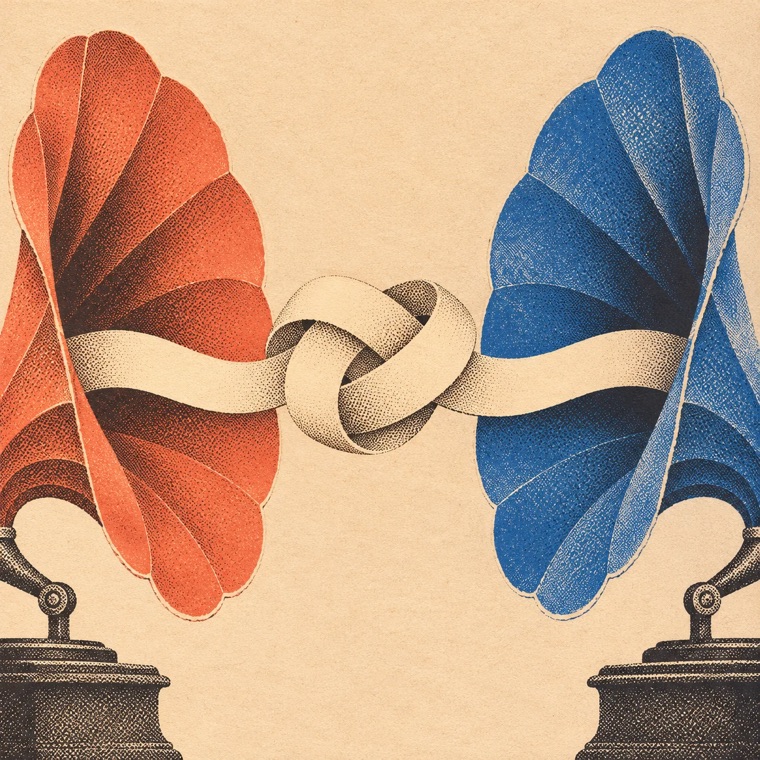
The meeting begins with “How do we launch it?” before anyone asks who needs it.
The loudest explanation becomes the official one. Sensible people answer the question in front of them and leave the important question untouched.
What you might be hearing
- Every discussion starts with a preferred solution.
- People say “we already know” without showing the evidence.
- The team has plenty of answers and very little curiosity.
How it works.
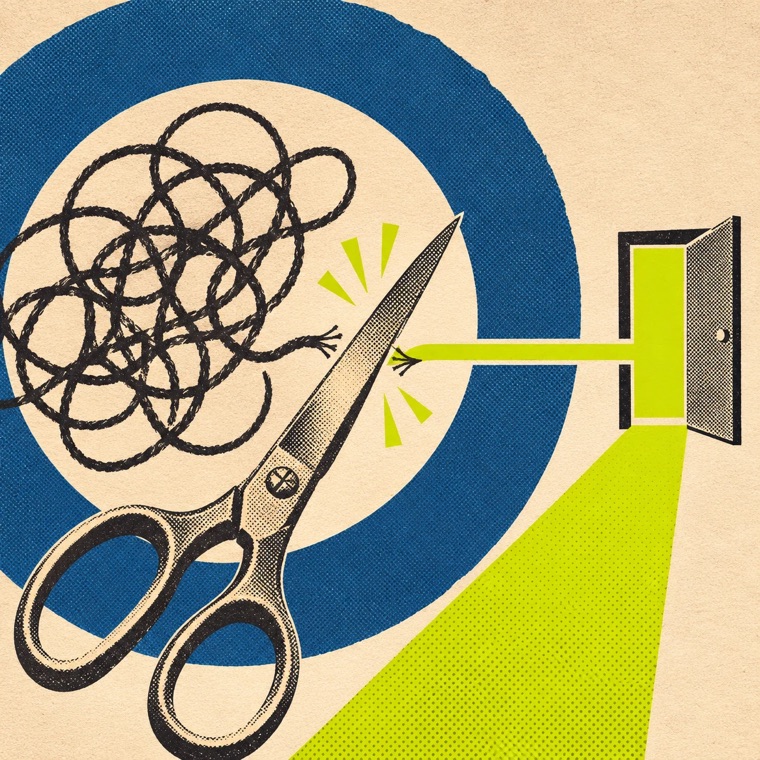
Work on a live question from the room. Separate observation from interpretation, expose the assumption, then practise questions that invite evidence rather than agreement. Curiosity becomes a practical discipline, not a personality trait.
- 1
Catch the hidden assumption
Listen to a familiar workplace question and make its assumptions visible. Try alternative explanations before choosing the next thing to ask.
- 2
Ask without steering
Practise short interviews in pairs. Replace leading questions, rescue attempts and advice disguised as curiosity with prompts that leave room for an unexpected answer.
- 3
Reframe the live challenge
Rewrite a real team question in several ways. Choose the version that creates the most useful next conversation, then plan who should be in it.
What you leave with.
- A reframed version of your live challenge
- A reusable question and assumption checklist
- A short interview guide for the next conversation
- Who it’s for
- Managers, client-facing teams, researchers and leaders who make decisions through conversation.
- What to bring
- Bring a question your team keeps answering without making progress.
The question beneath the question
A simple working page that stops a familiar answer becoming the starting assumption.
- We are asking: how do we increase attendance?
- We may be assuming: attendance is the reason the programme is not working.
- We need to understand: what are people trying to do instead?
Choose your format.
This builds a line in your brief. Scope and fees are agreed with you before anything is booked.
Before we talk.
The questions people usually ask first. Ask a different one
Is this interview training?
Interview practice is one part. The wider aim is to improve the questions used in meetings, customer conversations and important decisions.
Will quieter people be heard?
The format uses individual reflection, pairs and structured sharing so participation does not depend on winning airtime.
Can this be tailored to client conversations?
Yes. We can use a relevant business situation and practise the conversations your people actually have.